
-
 About
AboutAeros is the main supplier for continuous aeration system in China.With the technical know-how, experience & resources to meet individual customer requirement, whether this is for a single unit or a complete turn key project.
-
 Equipment
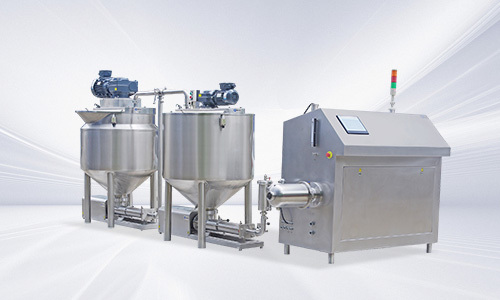
Yalus has strong mechanical development strength and excellent processing technology
-
 Application
Quality and service are the core competencies of Aeros, and all our services are designed to achieve a common goal: to maintain stable production and maintain a high level of productivity of the equipment during the service cycle.
-
 Training & Services
Quality and service are the core competencies of Aeros, and all our services are designed to achieve a common goal: to maintain stable production and maintain a high level of productivity of the equipment during the service cycle.
-
 Contact
Quality and service are the core competencies of Aeros, and all our services are designed to achieve a common goal: to maintain stable production and maintain a high level of productivity of the equipment during the service cycle.
-
 Download
Quality and service are the core competencies of Aeros, and all our services are designed to achieve a common goal: to maintain stable production and maintain a high level of productivity of the equipment during the service cycle.
Why Every Chocolate Manufacturer Needs a Chocolate Aerator: Unlocking the Secrets to Perfect Chocolate

2026/03/27
Why Every Chocolate Manufacturer Needs a Chocolate Aerator
Table of Contents
- Introduction to Chocolate Aerators
- The Science of Aeration in Chocolate Manufacturing
- Benefits of Using a Chocolate Aerator
- Types of Chocolate Aerators
- How to Choose the Right Aerator for Your Needs
- Implementing Aeration in Your Manufacturing Process
- Common Misconceptions About Chocolate Aerators
- Frequently Asked Questions
- Conclusion
Introduction to Chocolate Aerators
In the competitive world of chocolate manufacturing, achieving the perfect product is paramount. Chocolate aerators play a crucial role in enhancing the overall quality of chocolate, helping manufacturers optimize their processes and elevate their creations. An aerator introduces air into the chocolate mixture, resulting in a smooth, creamy texture that melts in the mouth. This article delves into why every chocolate manufacturer should consider integrating a chocolate aerator into their production line.
The Science of Aeration in Chocolate Manufacturing
Aeration in chocolate involves the process of incorporating air into the chocolate mixture. This technique enhances the chocolate's texture, flavor, and overall quality. When air is introduced during the mixing process, it creates tiny bubbles that evenly distribute throughout the chocolate. These bubbles contribute to the lightness and creaminess of the final product, making it more enjoyable for consumers.
Aeration also plays a significant role in the tempering process. Properly aerated chocolate has a more stable crystal structure, which improves its shelf life and prevents bloating or blooming. This scientific foundation underlines the importance of a chocolate aerator in the manufacturing process, ensuring that the chocolate meets high industry standards.
Benefits of Using a Chocolate Aerator
Integrating a chocolate aerator into the manufacturing process can provide several advantages:
Enhanced Flavor Profiles
Aeration allows for better flavor release, enhancing the chocolate's overall taste. By introducing air, the chocolate's volatile compounds are more effectively released, providing a richer, more complex flavor profile. This enhancement is especially beneficial for chocolate manufacturers aiming to distinguish their products in a saturated market.
Improved Texture and Mouthfeel
One of the most significant advantages of using a chocolate aerator is the improvement in texture and mouthfeel. Aeration results in a creamier, more luxurious chocolate that melts effortlessly on the palate. This quality is essential for meeting consumer expectations and enhancing the overall eating experience.
Increased Production Efficiency
A chocolate aerator streamlines the production process by automating the aeration phase. This efficiency reduces labor costs and minimizes the risk of human error. With precise aeration, manufacturers can achieve consistent quality across batches, leading to higher customer satisfaction and reduced waste.
Types of Chocolate Aerators
There are various types of chocolate aerators available on the market, each designed to meet specific manufacturing needs. Some of the most common types include:
1. **Batch Aerators**: Ideal for small production runs, batch aerators allow manufacturers to aerate specific quantities of chocolate at a time, ensuring flexibility and control.
2. **Continuous Aerators**: Suitable for large-scale operations, continuous aerators maintain a steady flow of chocolate while aerating it in real-time. This system enhances efficiency and minimizes downtime.
3. **Vacuum Aerators**: These aerators use vacuum technology to remove air and incorporate it back into the chocolate. This method helps to achieve a lighter texture while maintaining a smooth consistency.
4. **High-Shear Aerators**: High-shear aerators use intense mechanical force to create small air bubbles in the chocolate mixture. This method is effective for achieving uniform aeration and optimal texture.
How to Choose the Right Aerator for Your Needs
Selecting the right chocolate aerator depends on several factors, including production volume, desired texture, and budget. Here are some considerations to keep in mind:
- **Production Volume**: Assess your production needs. For smaller operations, batch aerators may be sufficient, while larger manufacturers may benefit from continuous aerators.
- **Texture Requirements**: Consider the type of chocolate you produce and the desired texture. Different aerators yield varying results, so choose one that aligns with your product goals.
- **Budget**: Evaluate your budget and the potential return on investment. While high-quality aerators may require a significant upfront investment, the long-term benefits can justify the cost.
Implementing Aeration in Your Manufacturing Process
Integrating a chocolate aerator into your manufacturing process requires careful planning and execution. Here are steps to successfully implement aeration:
1. **Assess Current Processes**: Analyze your current production process to identify areas for improvement. Determine how aeration can enhance your chocolate's quality.
2. **Train Your Team**: Ensure that your staff is trained in using the chocolate aerator effectively. Proper training can maximize efficiency and minimize errors during production.
3. **Monitor Quality**: Continuously monitor the quality of your chocolate after implementing aeration. Gather feedback from customers and conduct regular taste tests to ensure consistency.
4. **Adjust as Needed**: Be prepared to adjust your aeration techniques based on feedback and quality assessments. Flexibility in production can lead to improved outcomes.
Common Misconceptions About Chocolate Aerators
Despite the numerous benefits of chocolate aerators, several misconceptions exist:
- **Aerators are only for large manufacturers**: While larger operations often use aerators, smaller chocolate makers can also benefit from batch aerators that suit their production needs.
- **Aeration ruins chocolate flavor**: On the contrary, aeration enhances flavor release, resulting in a more robust taste profile.
- **Aerators are expensive and unnecessary**: While they require an upfront investment, the long-term benefits, including improved quality and efficiency, can outweigh the costs.
Frequently Asked Questions
1. What is the primary function of a chocolate aerator?
The primary function of a chocolate aerator is to introduce air into the chocolate mixture, enhancing texture, flavor, and overall quality.
2. Can I use a chocolate aerator for other types of confections?
Yes, chocolate aerators can also be used for other confections, such as nougat or marshmallows, where aeration improves texture.
3. How does aeration affect chocolate shelf life?
Properly aerated chocolate has a more stable crystal structure, resulting in improved shelf life and reduced chances of blooming.
4. Are there specific maintenance requirements for chocolate aerators?
Regular cleaning and maintenance are essential to ensure optimal performance and longevity of chocolate aerators.
5. How can I effectively test the quality of my aerated chocolate?
Conduct sensory evaluations through taste tests and gather consumer feedback to assess the quality of your aerated chocolate.
Conclusion
Incorporating a chocolate aerator into your manufacturing process is not just a trend; it is a necessity for chocolate producers striving for excellence. By understanding the science behind aeration and the numerous benefits it offers, manufacturers can elevate their chocolate products to new heights. From enhancing flavor profiles to improving texture and increasing production efficiency, a chocolate aerator can significantly impact the quality of chocolate products. By carefully selecting the right aerator and implementing it effectively, chocolate manufacturers can achieve consistent, high-quality results that satisfy consumer demands and stand out in a competitive market.
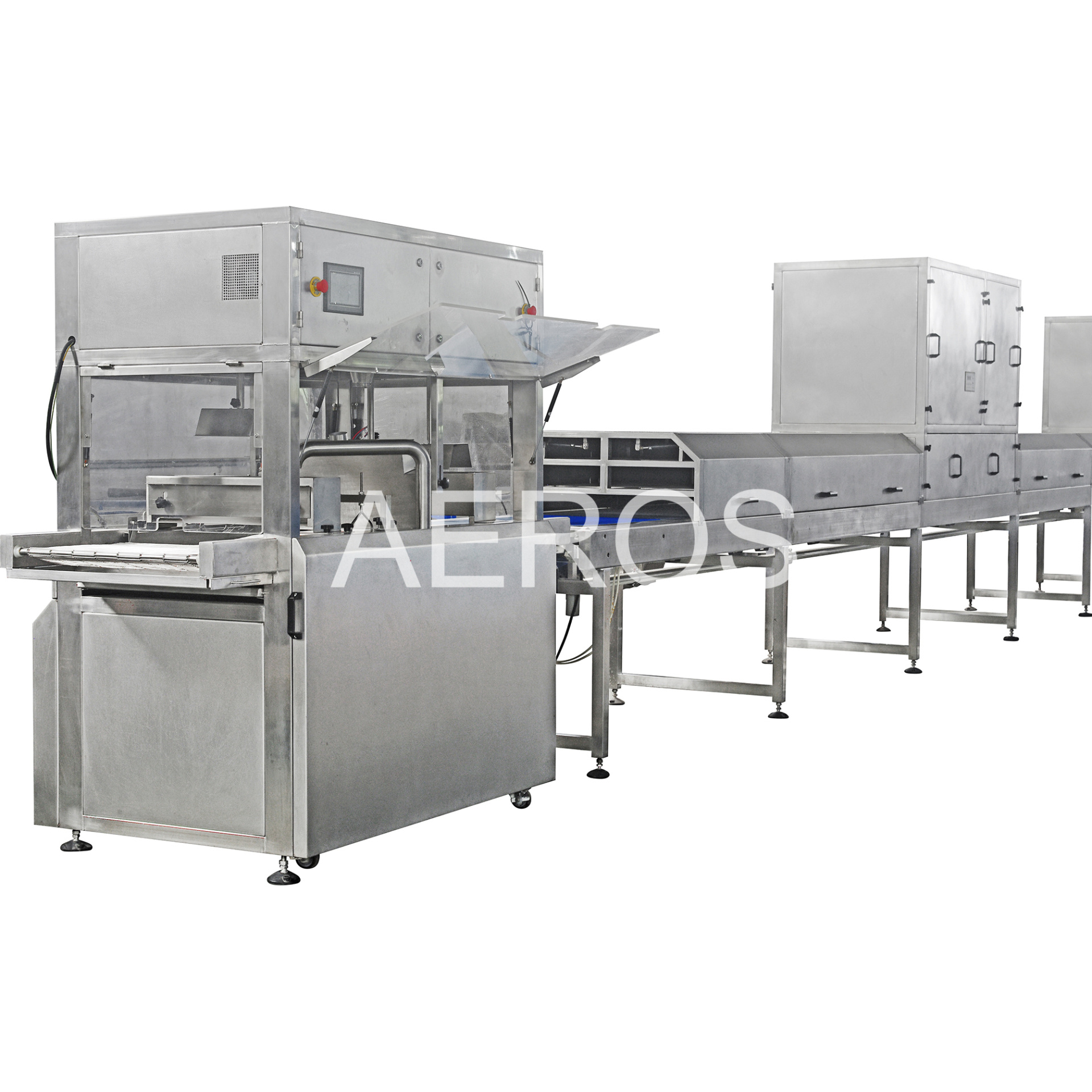
Chocolate aerator
Other News
Foshan Aeros Industrial Equipment Co., Ltd. (Sales Office)
Address: No.1 - 2 ,G/F, Block 1, Taohuishangpin, No.30 Shunan Road, Hecheng, Gao ming District, Foshan ,Guangdong Provice,PRC.
Zip Code: 528500
Telephone: 86-181 2352 1651
Fax: 86-757-88933063
Email:oscaryau@chinaaeros.com
wendyhuang@chinaaeros.com
Factory Foshan Aeros Industrial EquipmentCo.,Ltd (Factory)
Address: No.16 Heng Chang Road, He Cheng, Gaoming District, Foshan, Guangdong Province, PRC.
Telephone: 86-757-88933066
Fax: 86-757-88933063
HK Offce:Aeros(international)Co.,Ltd
Address: Rm 5,16/F.,Kwong Kin Trade Centre, 5 Kin Fat Street,Tuen Mum,N,T.,Hong Kong
Telephone: 852 2499 1823
Fax: 852 2499 1822
Whatsapp: 852 9616 0072
Add WeChat to learn more