
-
 About
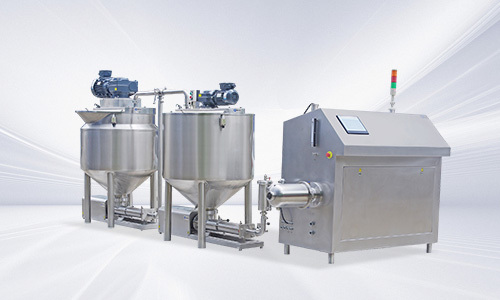
AboutAeros is the main supplier for continuous aeration system in China.With the technical know-how, experience & resources to meet individual customer requirement, whether this is for a single unit or a complete turn key project.
-
 Equipment
Yalus has strong mechanical development strength and excellent processing technology
-
 Application
Quality and service are the core competencies of Aeros, and all our services are designed to achieve a common goal: to maintain stable production and maintain a high level of productivity of the equipment during the service cycle.
-
 Training & Services
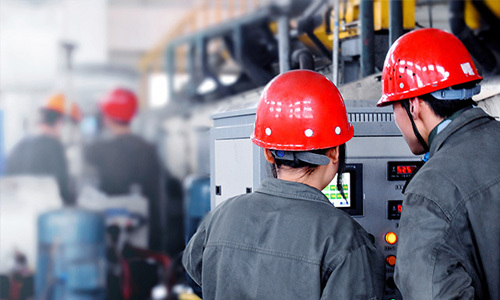
Quality and service are the core competencies of Aeros, and all our services are designed to achieve a common goal: to maintain stable production and maintain a high level of productivity of the equipment during the service cycle.
-
 Contact
Quality and service are the core competencies of Aeros, and all our services are designed to achieve a common goal: to maintain stable production and maintain a high level of productivity of the equipment during the service cycle.
-
 Download
Quality and service are the core competencies of Aeros, and all our services are designed to achieve a common goal: to maintain stable production and maintain a high level of productivity of the equipment during the service cycle.
Unlocking Freshness: How Aeration Systems Transform Beverage Manufacturing

2026/04/08
Unlocking Freshness: How Aeration Systems Transform Beverage Manufacturing
Table of Contents
- 1. Introduction to Aeration Systems in Beverage Manufacturing
- 2. The Importance of Freshness in Beverage Production
- 3. Principles of Aeration Systems
- 4. Key Benefits of Aeration Systems in Beverage Manufacturing
- 4.1 Enhancing Product Quality
- 4.2 Prolonging Shelf Life
- 4.3 Elevating Flavor Profiles
- 4.4 Ensuring Consistency in Production
- 5. Various Aeration Techniques for Beverage Manufacturing
- 6. Implementing Aeration Systems in Your Beverage Production Line
- 7. Real-World Case Studies: Success Stories in Beverage Manufacturing
- 8. Frequently Asked Questions about Aeration Systems
- 9. Conclusion
1. Introduction to Aeration Systems in Beverage Manufacturing
In the beverage manufacturing industry, maintaining **freshness** is a critical factor that directly affects consumer satisfaction and brand loyalty. Aeration systems play an essential role in enhancing the quality of beverages by introducing controlled amounts of air into the production process. This article delves into the various facets of aeration systems, focusing on their significance in maintaining freshness, improving flavor, and extending shelf life.
2. The Importance of Freshness in Beverage Production
Freshness is paramount in the beverage industry, influencing both taste and safety. Beverages, especially those that are natural or organic, can quickly lose their appeal if not processed and stored correctly. **Freshness impacts consumer perception significantly**, as customers are increasingly seeking products that retain their natural flavors and nutritional value.
Incorporating aeration systems into the production line not only helps in maintaining the quality of beverages but also aligns with consumer trends favoring freshness and sustainability. Understanding the importance of freshness can lead manufacturers to optimize their processes for better product offerings.
3. Principles of Aeration Systems
Aeration is the process of introducing air into a liquid or substance, which can facilitate various chemical reactions and improve characteristics like taste and aroma.
Aeration systems typically operate based on two fundamental principles:
1. **Gas Exchange**: This principle involves the transfer of gases, which can enhance flavor by allowing volatile compounds to escape while oxygenating the beverage.
2. **Dissolution**: This process involves dissolving gases, such as carbon dioxide in sodas or sparklers, which is crucial for maintaining the desired fizziness and mouthfeel.
Understanding these principles is vital for manufacturers who aim to leverage aeration systems effectively.
4. Key Benefits of Aeration Systems in Beverage Manufacturing
Implementing aeration systems in beverage manufacturing offers multiple advantages that can transform production processes and elevate product quality.
4.1 Enhancing Product Quality
Aeration systems can significantly enhance the sensory attributes of beverages. By promoting oxidation, they can improve flavor depth and complexity, resulting in a more enjoyable drinking experience. The precise control of aeration levels allows manufacturers to tailor products to specific flavor profiles, catering to diverse consumer preferences.
4.2 Prolonging Shelf Life
Another critical benefit of aeration systems is their ability to extend the shelf life of beverages. By controlling the oxygen levels during production, manufacturers can slow down the degradation processes that lead to spoilage. This is especially important for juices, teas, and other perishable products that are sensitive to oxidation.
4.3 Elevating Flavor Profiles
The infusion of air into beverages can lead to enhanced flavor profiles. For example, in the case of wines, aeration can soften tannins and release aromatic compounds, making the beverage more palatable. This is not limited to wines; other beverages like craft beers and artisanal sodas can also benefit from improved flavor through careful aeration.
4.4 Ensuring Consistency in Production
Aeration systems help ensure that each batch of beverage produced maintains a consistent quality. This is crucial for brands that emphasize uniformity in taste and texture. Automated aeration processes can be precisely controlled, allowing for standardized production that meets consumer expectations.
5. Various Aeration Techniques for Beverage Manufacturing
Different aeration techniques can be employed in beverage manufacturing, each with its unique benefits and applications.
5.1 Passive Aeration Techniques
Passive aeration techniques involve integrating aeration naturally without significant mechanical intervention. This might include allowing beverages to sit in open tanks or using specific types of containers that promote natural gas exchange. While these methods can be less invasive, they require careful monitoring to ensure optimal results.
5.2 Active Aeration Techniques
Active aeration, on the other hand, involves mechanical systems designed to enhance aeration levels significantly. Examples include the use of aeration pumps, diffusers, and mixers. These systems provide precise control over the amount of air introduced, allowing for tailored aeration processes that can significantly improve product quality.
6. Implementing Aeration Systems in Your Beverage Production Line
Integrating aeration systems into an existing beverage production line requires careful planning and execution. Here are key steps to consider:
1. **Assess Current Processes**: Evaluate the current production processes to identify areas where aeration can add value.
2. **Choose the Right System**: Depending on the type of beverage and desired outcomes, select an appropriate aeration system.
3. **Pilot Testing**: Before full-scale implementation, conduct pilot tests to measure the impact of aeration on product quality.
4. **Training**: Ensure staff are trained to operate and maintain the aeration systems effectively.
5. **Continuous Monitoring**: Regularly monitor the aeration process to ensure optimal performance and make adjustments as necessary.
7. Real-World Case Studies: Success Stories in Beverage Manufacturing
Many beverage manufacturers have successfully integrated aeration systems into their production processes with remarkable results.
**Case Study 1: Fine Wine Production**
A winery in California implemented an advanced aeration system to enhance the flavor of its reds. The controlled infusion of air during fermentation resulted in smoother tannins and richer flavors, significantly boosting consumer satisfaction and sales.
**Case Study 2: Craft Beer Innovation**
A craft brewery introduced aeration technology to optimize the hop aroma in its IPAs. By employing active aeration techniques, the brewery improved the freshness and intensity of hop flavors, drawing in a loyal customer base.
These examples illustrate the tangible benefits that aeration systems can bring to beverage manufacturers, leading to improved quality and customer satisfaction.
8. Frequently Asked Questions about Aeration Systems
1. What types of beverages benefit most from aeration systems?
Aeration systems are especially beneficial for wines, craft beers, juices, and any beverages where flavor and freshness are critical.
2. How does aeration affect the taste of beverages?
Aeration can enhance the complexity of flavors, soften harsh notes, and release aromatic compounds, leading to a more enjoyable taste experience.
3. Are there any risks associated with aeration?
If not properly controlled, excessive aeration can lead to undesirable oxidation, potentially affecting the beverage quality negatively.
4. What is the difference between passive and active aeration?
Passive aeration relies on natural processes with little mechanical intervention, while active aeration employs devices to control and enhance air infusion.
5. How can I measure the effectiveness of my aeration system?
Monitoring flavor profiles, shelf life, and consumer feedback can provide insights into the effectiveness of your aeration processes.
9. Conclusion
Aeration systems represent a pivotal advancement in beverage manufacturing, unlocking freshness, enhancing flavors, and prolonging shelf life. By understanding and implementing various aeration techniques, manufacturers can significantly elevate their product offerings, meeting the ever-increasing demand for freshness and quality in the beverage market. As consumer preferences evolve, adopting aeration systems will not only help manufacturers stay competitive but also foster a deeper connection with consumers who prioritize quality and taste. The future of beverage manufacturing is bright with the promise of aeration technology, and those who embrace it will undoubtedly lead the way in innovation and excellence.
Aeration system
Other News

Foshan Aeros Industrial Equipment Co., Ltd. (Sales Office)
Address: No.1 - 2 ,G/F, Block 1, Taohuishangpin, No.30 Shunan Road, Hecheng, Gao ming District, Foshan ,Guangdong Provice,PRC.
Zip Code: 528500
Telephone: 86-181 2352 1651
Fax: 86-757-88933063
Email:oscaryau@chinaaeros.com
wendyhuang@chinaaeros.com
Factory Foshan Aeros Industrial EquipmentCo.,Ltd (Factory)
Address: No.16 Heng Chang Road, He Cheng, Gaoming District, Foshan, Guangdong Province, PRC.
Telephone: 86-757-88933066
Fax: 86-757-88933063
HK Offce:Aeros(international)Co.,Ltd
Address: Rm 5,16/F.,Kwong Kin Trade Centre, 5 Kin Fat Street,Tuen Mum,N,T.,Hong Kong
Telephone: 852 2499 1823
Fax: 852 2499 1822
Whatsapp: 852 9616 0072
Add WeChat to learn more