
-
 About
AboutAeros is the main supplier for continuous aeration system in China.With the technical know-how, experience & resources to meet individual customer requirement, whether this is for a single unit or a complete turn key project.
-
 Equipment
Yalus has strong mechanical development strength and excellent processing technology
-
 Application
Quality and service are the core competencies of Aeros, and all our services are designed to achieve a common goal: to maintain stable production and maintain a high level of productivity of the equipment during the service cycle.
-
 Training & Services
Quality and service are the core competencies of Aeros, and all our services are designed to achieve a common goal: to maintain stable production and maintain a high level of productivity of the equipment during the service cycle.
-
 Contact
Quality and service are the core competencies of Aeros, and all our services are designed to achieve a common goal: to maintain stable production and maintain a high level of productivity of the equipment during the service cycle.
-
 Download
Quality and service are the core competencies of Aeros, and all our services are designed to achieve a common goal: to maintain stable production and maintain a high level of productivity of the equipment during the service cycle.
A Comprehensive Guide to Aerated Chocolate Production Lines

2026/03/24
The first step in the aerated chocolate production process is the preparation of the chocolate mixture. High-quality cocoa solids, cocoa butter, sugar, and milk solids (if making milk chocolate) are combined in precise ratios. This mixture is then melted and tempered to achieve the right viscosity and crystallization of the cocoa butter, ensuring that the final product has a smooth texture.
Once the chocolate is prepared, the aeration process begins. This is typically achieved using a vacuum chamber or an aeration machine. The machine introduces controlled amounts of air into the melted chocolate, creating tiny air bubbles that become evenly dispersed throughout the mixture. The size and distribution of these bubbles are critical, as they influence the final texture of the chocolate. After aeration, the chocolate is cooled and solidified in a controlled environment to maintain its structure and prevent any collapse of air pockets.
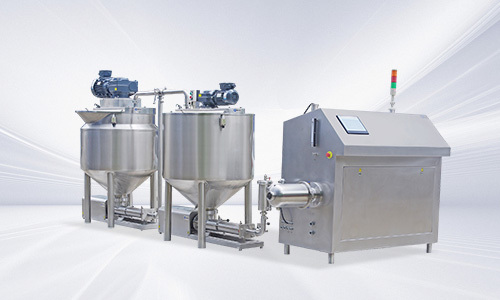
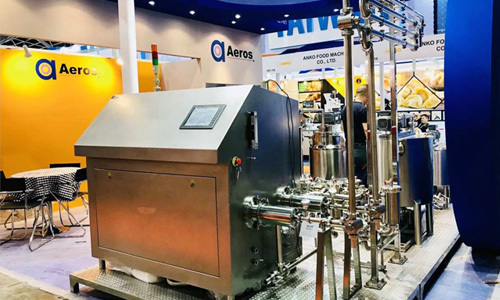
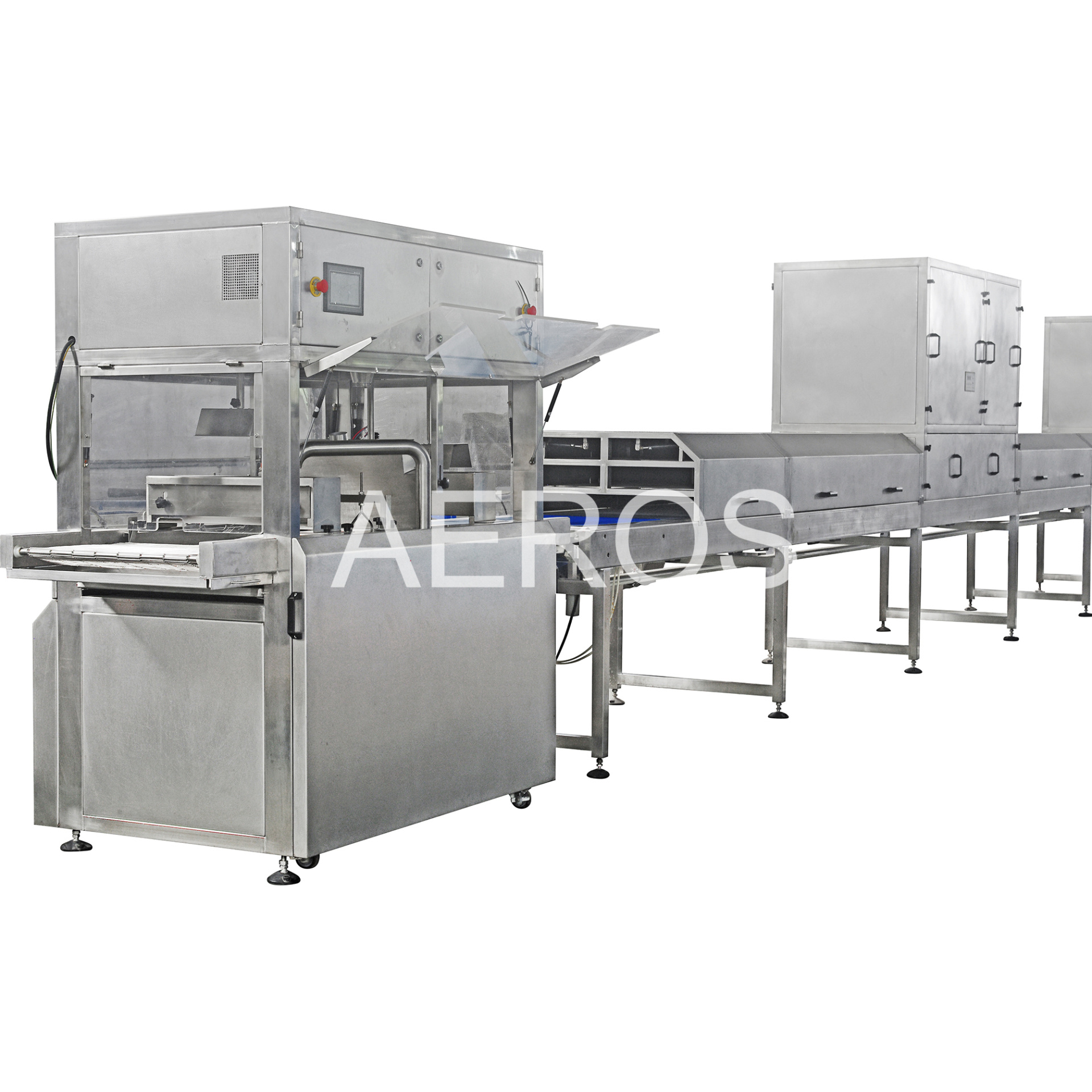
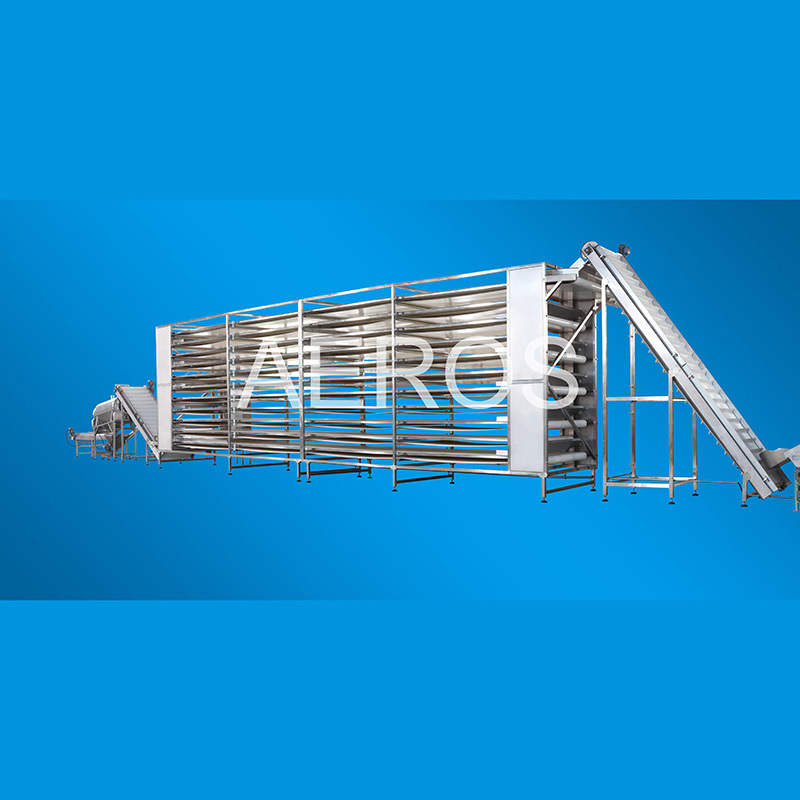
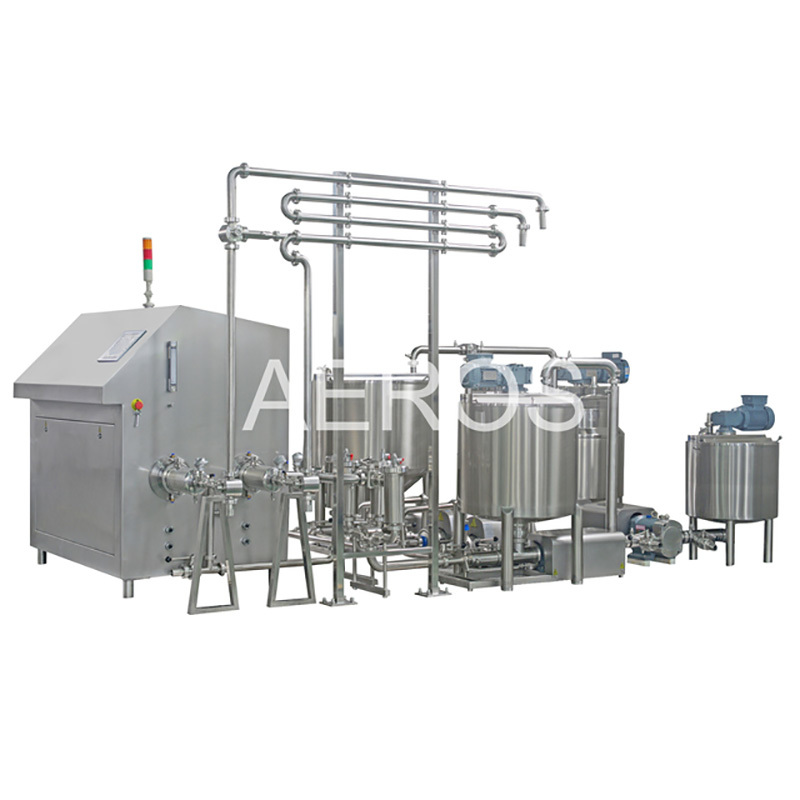
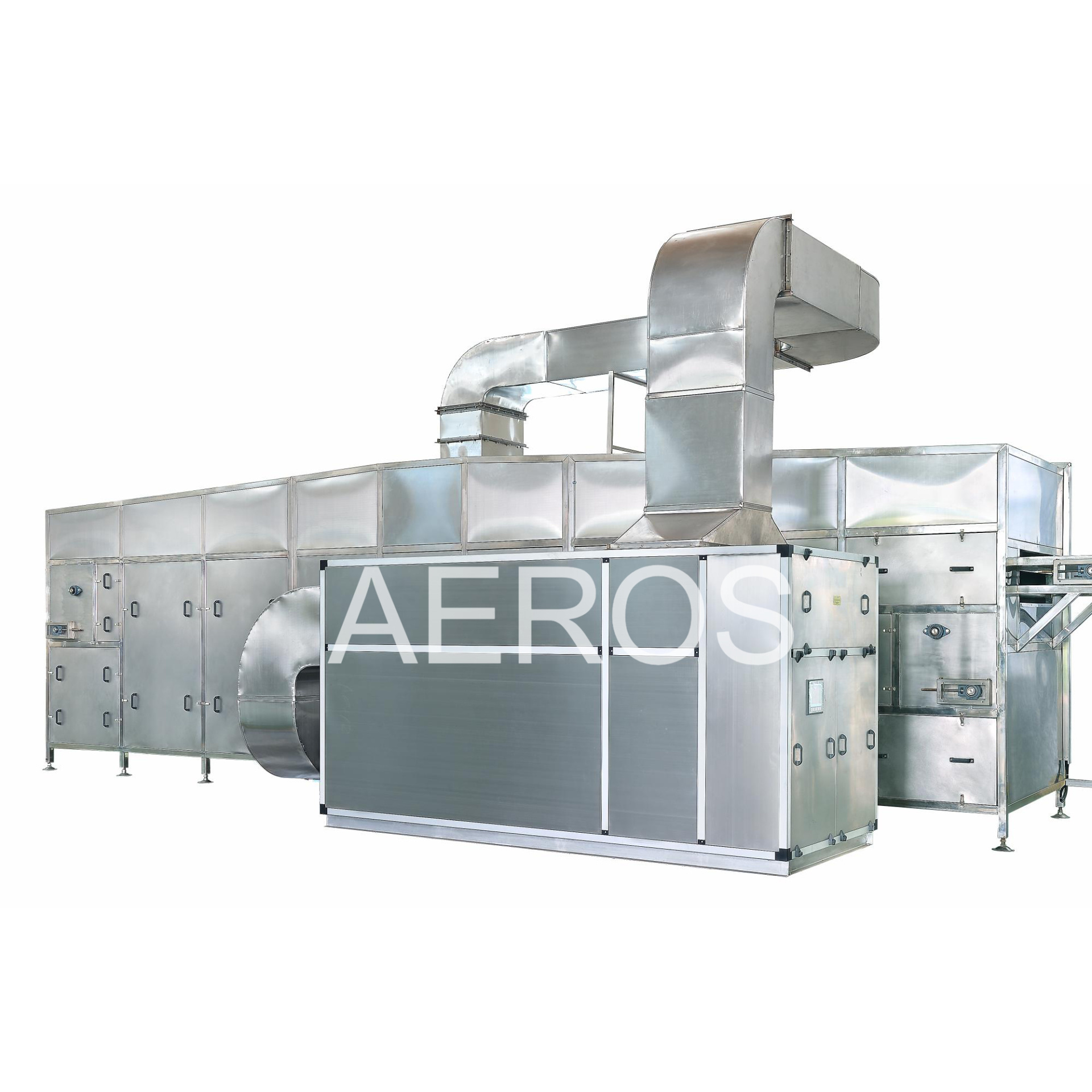
The equipment used in an aerated chocolate production line includes tempering machines, aerators, cooling tunnels, and molding systems. Each piece of machinery plays a vital role in ensuring that the aeration process is efficient and that the chocolate meets quality standards. Investing in high-quality equipment is essential for manufacturers aiming to produce aerated chocolate at scale, as it can significantly impact production efficiency and product consistency.
Aside from enhancing the sensory qualities of chocolate, aerated chocolate offers additional benefits to manufacturers. The lighter texture can appeal to consumers seeking indulgent yet less dense options, potentially attracting a broader market. Furthermore, aerated chocolate can be used in various applications, including bars, fillings, and even as a base for other confectionery products.
In summary, aerated chocolate production lines are at the forefront of innovative chocolate manufacturing. By understanding the intricacies of the aeration process and investing in the right technology, manufacturers can create unique chocolate experiences that resonate with consumers. As the demand for novel chocolate products continues to grow, the importance of efficient aerated chocolate production lines will only increase within the food processing machinery sector.
Aerated chocolate production line
Previous Page
Other News
Foshan Aeros Industrial Equipment Co., Ltd. (Sales Office)
Address: No.1 - 2 ,G/F, Block 1, Taohuishangpin, No.30 Shunan Road, Hecheng, Gao ming District, Foshan ,Guangdong Provice,PRC.
Zip Code: 528500
Telephone: 86-181 2352 1651
Fax: 86-757-88933063
Email:oscaryau@chinaaeros.com
wendyhuang@chinaaeros.com
Factory Foshan Aeros Industrial EquipmentCo.,Ltd (Factory)
Address: No.16 Heng Chang Road, He Cheng, Gaoming District, Foshan, Guangdong Province, PRC.
Telephone: 86-757-88933066
Fax: 86-757-88933063
HK Offce:Aeros(international)Co.,Ltd
Address: Rm 5,16/F.,Kwong Kin Trade Centre, 5 Kin Fat Street,Tuen Mum,N,T.,Hong Kong
Telephone: 852 2499 1823
Fax: 852 2499 1822
Whatsapp: 852 9616 0072
Add WeChat to learn more