
-
 About
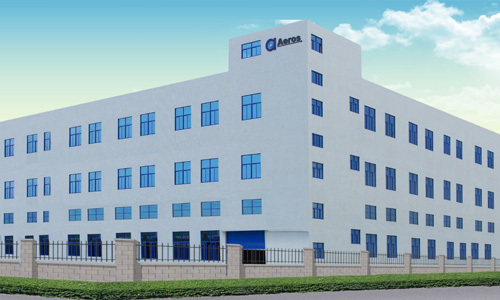
AboutAeros is the main supplier for continuous aeration system in China.With the technical know-how, experience & resources to meet individual customer requirement, whether this is for a single unit or a complete turn key project.
-
 Equipment
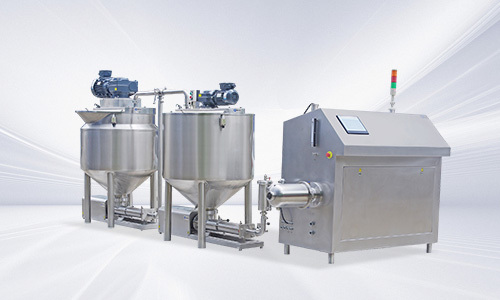
Yalus has strong mechanical development strength and excellent processing technology
-
 Application
Quality and service are the core competencies of Aeros, and all our services are designed to achieve a common goal: to maintain stable production and maintain a high level of productivity of the equipment during the service cycle.
-
 Training & Services
Quality and service are the core competencies of Aeros, and all our services are designed to achieve a common goal: to maintain stable production and maintain a high level of productivity of the equipment during the service cycle.
-
 Contact
Quality and service are the core competencies of Aeros, and all our services are designed to achieve a common goal: to maintain stable production and maintain a high level of productivity of the equipment during the service cycle.
-
 Download
Quality and service are the core competencies of Aeros, and all our services are designed to achieve a common goal: to maintain stable production and maintain a high level of productivity of the equipment during the service cycle.
The Impact of Continuous Aeration on Overall Production Quality in Manufacturing Processes

2026/04/02
The Impact of Continuous Aeration on Overall Production Quality in Manufacturing Processes
Table of Contents
- 1. Introduction to Continuous Aeration
- 2. Principles of Continuous Aeration
- 3. Key Benefits of Continuous Aeration in Manufacturing
- 3.1 Enhancing Product Quality
- 3.2 Optimizing Production Efficiency
- 3.3 Ensuring Consistency Across Batches
- 3.4 Environmental Benefits of Aeration
- 4. Types of Continuous Aeration Systems
- 5. Applications of Continuous Aeration in Manufacturing
- 6. Challenges of Implementing Continuous Aeration
- 7. Best Practices for Continuous Aeration
- 8. Frequently Asked Questions
- 9. Conclusion
1. Introduction to Continuous Aeration
Continuous aeration refers to the consistent introduction of air or oxygen into manufacturing processes, especially in industries reliant on biological or chemical reactions. This method is crucial in enhancing production quality and efficiency in various manufacturing sectors. By promoting a steady supply of air, continuous aeration significantly influences the overall performance and outcomes of production systems, leading to superior quality products.
2. Principles of Continuous Aeration
The fundamental principle of continuous aeration lies in the introduction of air to facilitate various chemical and biological processes. Aeration can enhance the reaction rates, promote effective mixing, and minimize the likelihood of detrimental by-products. Understanding these principles is essential for manufacturers looking to improve their production quality.
3.1 Enhancing Product Quality
Continuous aeration plays a pivotal role in enhancing product quality. By maintaining optimal concentrations of oxygen, manufacturers can ensure that the chemical reactions involved in production occur at the right pace. This leads to better uniformity in product characteristics, such as texture, flavor, and nutritional value, particularly in the food manufacturing industry.
3.2 Optimizing Production Efficiency
Efficiency is a critical factor in manufacturing, and continuous aeration contributes to it significantly. By optimizing the oxygen levels during production, manufacturers can reduce processing times and increase throughput. This efficiency translates to lower operational costs and higher profit margins, making aeration systems a sound investment.
3.3 Ensuring Consistency Across Batches
Consistency is vital in manufacturing, especially for industries that require precise specifications. Continuous aeration helps ensure that each batch produced meets the same quality standards. By minimizing variations due to fluctuating conditions, manufacturers can maintain high levels of customer satisfaction and trust in their products.
3.4 Environmental Benefits of Aeration
In addition to enhancing production quality, continuous aeration can have a positive impact on the environment. Proper aeration techniques can help reduce waste generation and lower the carbon footprint of manufacturing processes. By improving efficiency and product yield, manufacturers not only benefit economically but also contribute to sustainability efforts.
4. Types of Continuous Aeration Systems
Understanding the different types of continuous aeration systems available is essential for manufacturers to choose the right technology for their needs.
4.1 Mechanical Aeration Technologies
Mechanical aeration systems utilize various devices such as blowers and compressors to introduce air into production processes. These systems can be customized to suit specific manufacturing requirements and are widely used in industries like wastewater treatment and fermentation processes.
4.2 Natural Aeration Techniques
Natural aeration relies on environmental factors, such as wind and natural convection, to facilitate air exchange. This method can be effective for specific applications but often requires careful management to ensure optimal results.
5. Applications of Continuous Aeration in Manufacturing
Continuous aeration is utilized across various manufacturing sectors, each with distinct applications that benefit from this technology.
5.1 Aeration in the Food Industry
In the food industry, continuous aeration is essential for processes such as fermentation, where yeast and bacteria require oxygen to thrive. By maintaining optimal aeration levels, manufacturers can enhance product quality, minimize spoilage, and extend shelf life.
5.2 Aeration in Chemical Processing
Continuous aeration is also critical in chemical processing, where it aids in controlling reaction rates and ensuring optimal product formation. By adjusting aeration levels, manufacturers can influence the yield and purity of chemical products.
6. Challenges of Implementing Continuous Aeration
While the benefits of continuous aeration are clear, several challenges may arise during implementation. Manufacturers must consider factors such as equipment costs, energy consumption, and system maintenance. Addressing these challenges requires careful planning and investment in appropriate technologies.
7. Best Practices for Continuous Aeration
To maximize the benefits of continuous aeration, manufacturers should adhere to several best practices. Regular monitoring of aeration levels, investing in energy-efficient systems, and ensuring proper maintenance can significantly enhance the overall performance of aeration systems.
8. Frequently Asked Questions
1. What industries benefit the most from continuous aeration?
Continuous aeration is particularly beneficial in the food and beverage, chemical processing, and wastewater treatment industries.
2. How does continuous aeration improve product quality?
By maintaining optimal oxygen levels, continuous aeration enhances reaction rates and minimizes by-product formation, resulting in higher-quality products.
3. Are there any energy-efficient aeration systems available?
Yes, many modern aeration systems are designed to be energy-efficient, utilizing advanced technologies to minimize energy consumption while maximizing performance.
4. What are the common challenges in implementing continuous aeration?
Challenges can include high initial costs, energy consumption, and the need for regular maintenance.
5. Can continuous aeration contribute to sustainability in manufacturing?
Absolutely! Continuous aeration can reduce waste and lower the carbon footprint, contributing to more sustainable manufacturing practices.
9. Conclusion
In conclusion, continuous aeration is a vital component in enhancing overall production quality across various manufacturing sectors. By understanding its principles, benefits, and applications, manufacturers can leverage this technology to optimize efficiency, improve product consistency, and contribute to sustainability efforts. As industries evolve and demand for high-quality products increases, the role of continuous aeration will undoubtedly become even more significant in shaping the future of manufacturing processes.
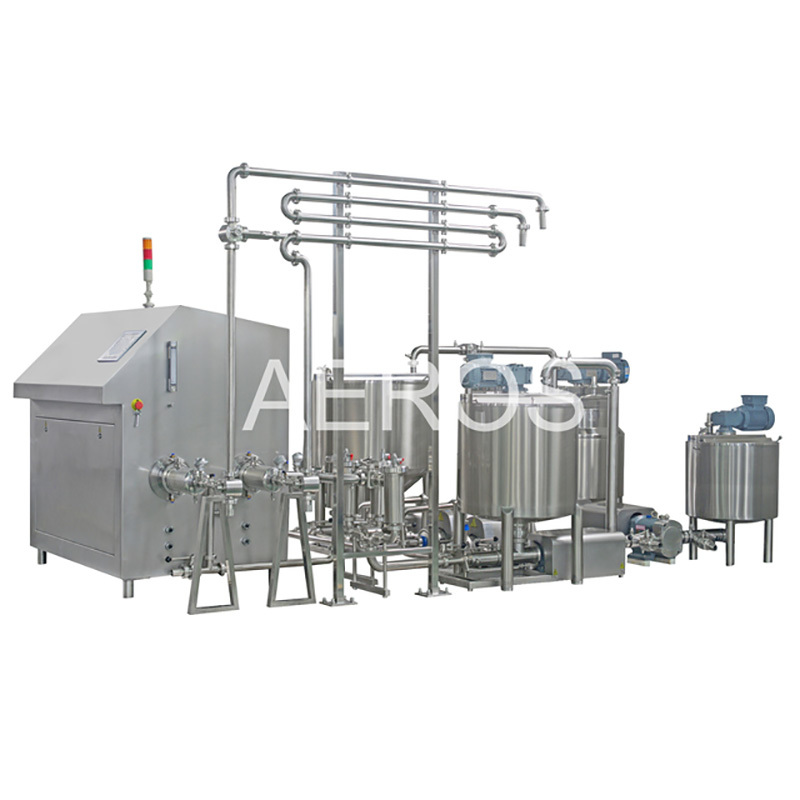
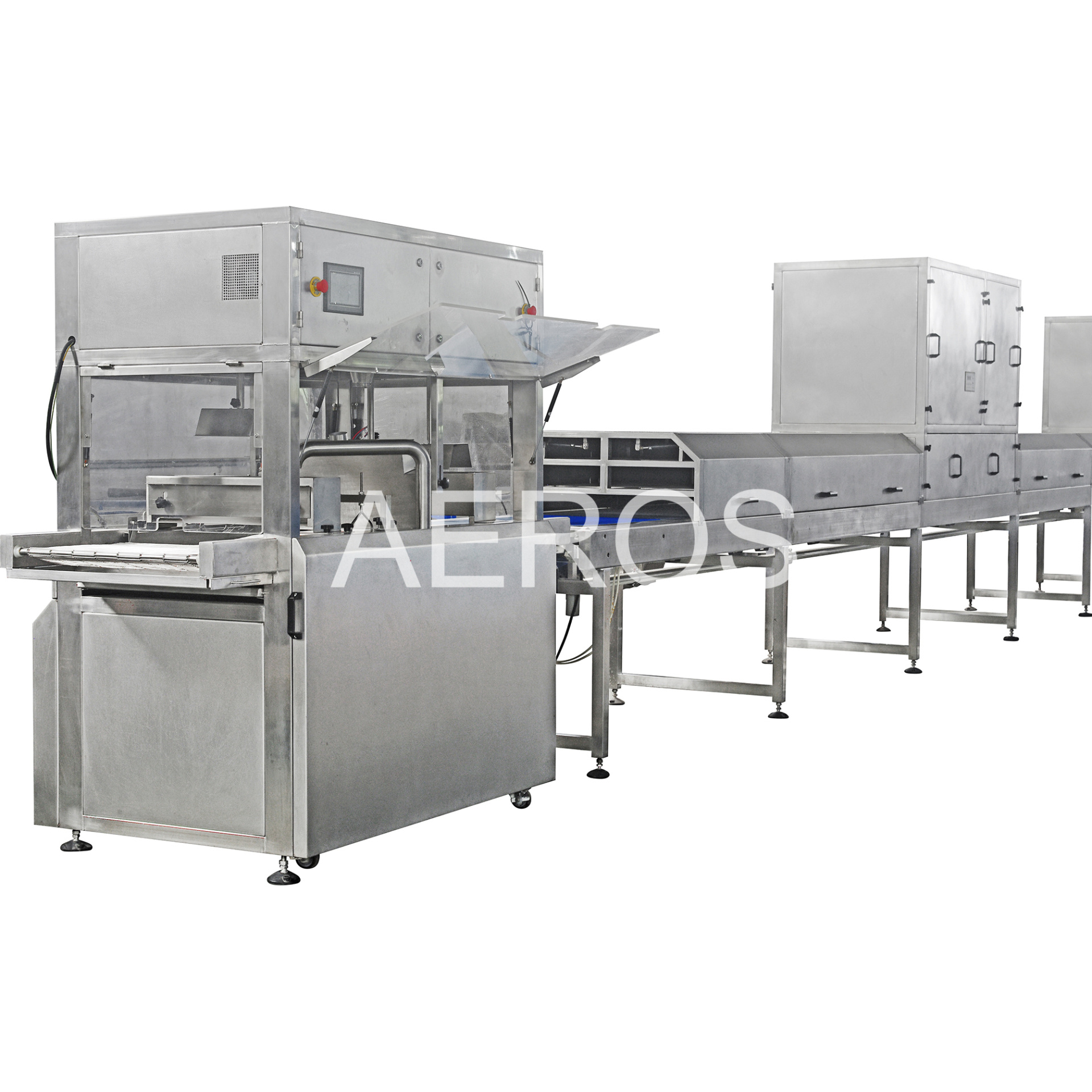
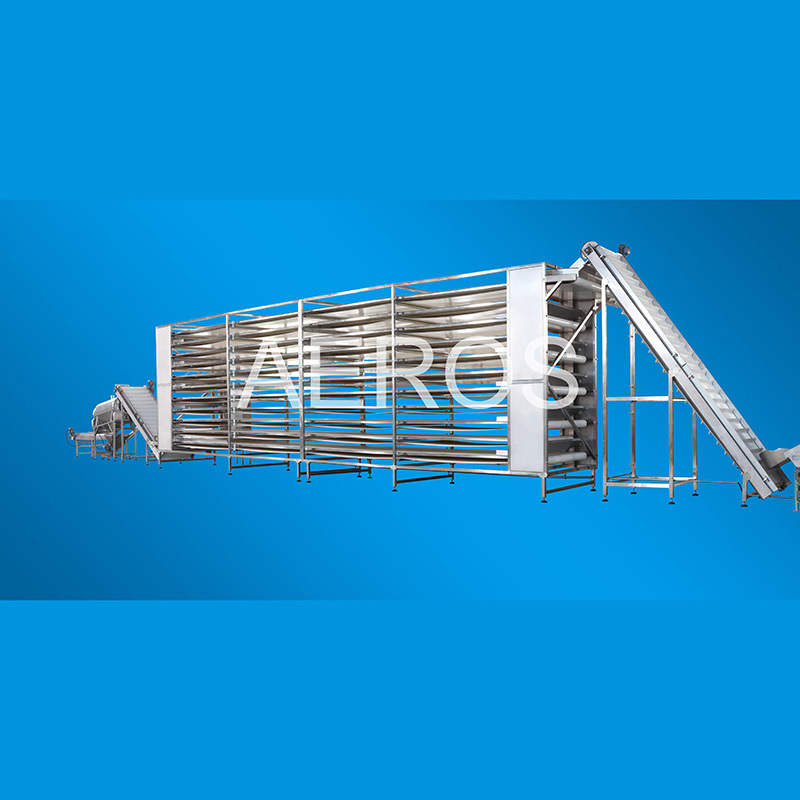
Continuous aeration machine
Other News

Foshan Aeros Industrial Equipment Co., Ltd. (Sales Office)
Address: No.1 - 2 ,G/F, Block 1, Taohuishangpin, No.30 Shunan Road, Hecheng, Gao ming District, Foshan ,Guangdong Provice,PRC.
Zip Code: 528500
Telephone: 86-181 2352 1651
Fax: 86-757-88933063
Email:oscaryau@chinaaeros.com
wendyhuang@chinaaeros.com
Factory Foshan Aeros Industrial EquipmentCo.,Ltd (Factory)
Address: No.16 Heng Chang Road, He Cheng, Gaoming District, Foshan, Guangdong Province, PRC.
Telephone: 86-757-88933066
Fax: 86-757-88933063
HK Offce:Aeros(international)Co.,Ltd
Address: Rm 5,16/F.,Kwong Kin Trade Centre, 5 Kin Fat Street,Tuen Mum,N,T.,Hong Kong
Telephone: 852 2499 1823
Fax: 852 2499 1822
Whatsapp: 852 9616 0072
Add WeChat to learn more