
-
 About
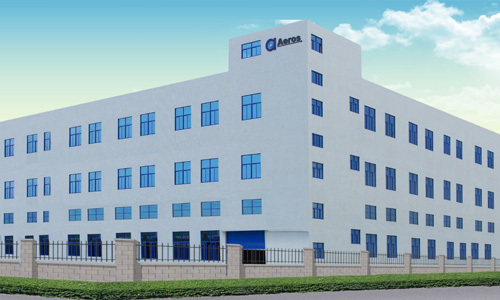
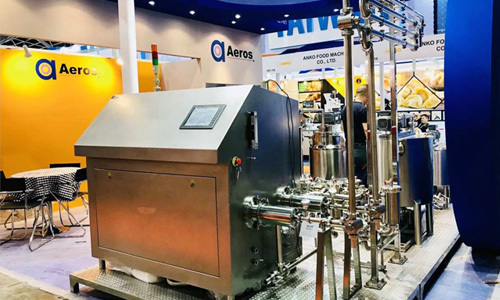
AboutAeros is the main supplier for continuous aeration system in China.With the technical know-how, experience & resources to meet individual customer requirement, whether this is for a single unit or a complete turn key project.
-
 Equipment
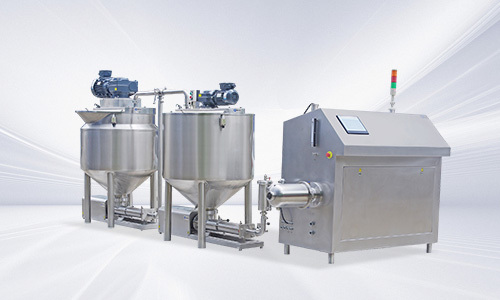
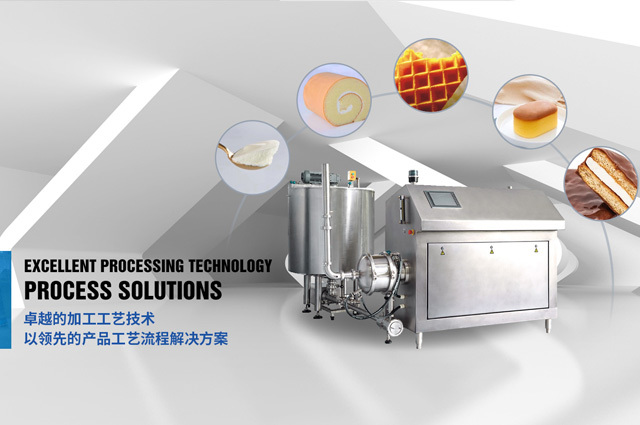
Yalus has strong mechanical development strength and excellent processing technology
-
 Application
Quality and service are the core competencies of Aeros, and all our services are designed to achieve a common goal: to maintain stable production and maintain a high level of productivity of the equipment during the service cycle.
-
 Training & Services
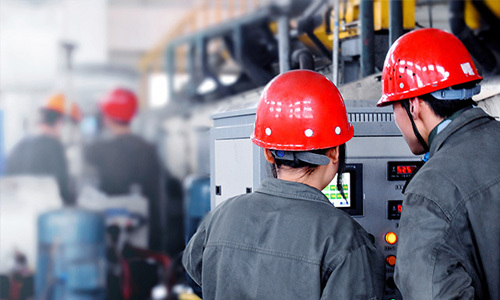
Quality and service are the core competencies of Aeros, and all our services are designed to achieve a common goal: to maintain stable production and maintain a high level of productivity of the equipment during the service cycle.
-
 Contact
Quality and service are the core competencies of Aeros, and all our services are designed to achieve a common goal: to maintain stable production and maintain a high level of productivity of the equipment during the service cycle.
-
 Download
Quality and service are the core competencies of Aeros, and all our services are designed to achieve a common goal: to maintain stable production and maintain a high level of productivity of the equipment during the service cycle.
How Cake Production Systems Improve Efficiency in Food Manufacturing

2026/03/15
How Cake Production Systems Enhance Efficiency in Food Manufacturing
Table of Contents
- 1. Introduction to Cake Production Systems
- 2. The Importance of Efficiency in Food Manufacturing
- 3. Key Components of Cake Production Systems
- 4. Automation and Technology in Cake Production
- 5. Streamlining Production Lines for Maximum Output
- 6. Quality Control in Cake Manufacturing
- 7. Sustainability Practices in Food Manufacturing
- 8. Case Studies and Success Stories
- 9. Frequently Asked Questions
- 10. Conclusion
1. Introduction to Cake Production Systems
The food manufacturing industry is constantly evolving, and cake production systems are at the forefront of this change. With the increasing demand for high-quality baked goods, manufacturers are turning to sophisticated machinery and production methods to meet consumer expectations. Cake production systems integrate a variety of processes that enhance the overall efficiency, quality, and consistency of cake production. These systems are designed to optimize every stage of the manufacturing process, from mixing and baking to decorating and packaging.
2. The Importance of Efficiency in Food Manufacturing
In today’s competitive market, efficiency is paramount for any food manufacturing operation. Efficient production processes lead to reduced operational costs, minimized waste, and improved product quality. For cake manufacturers, achieving high efficiency means being able to produce large quantities of cakes without compromising on taste or texture. This section delves into why efficiency is critical for food manufacturers, focusing on key aspects such as:
- **Cost Reduction**: Streamlined processes lower labor and energy costs, directly impacting profitability.
- **Time Management**: Efficient systems ensure quicker turnaround times from raw ingredients to finished products, allowing for better inventory management.
- **Consistency in Quality**: Advanced production systems help maintain uniform quality across batches, which is vital for brand reputation.
3. Key Components of Cake Production Systems
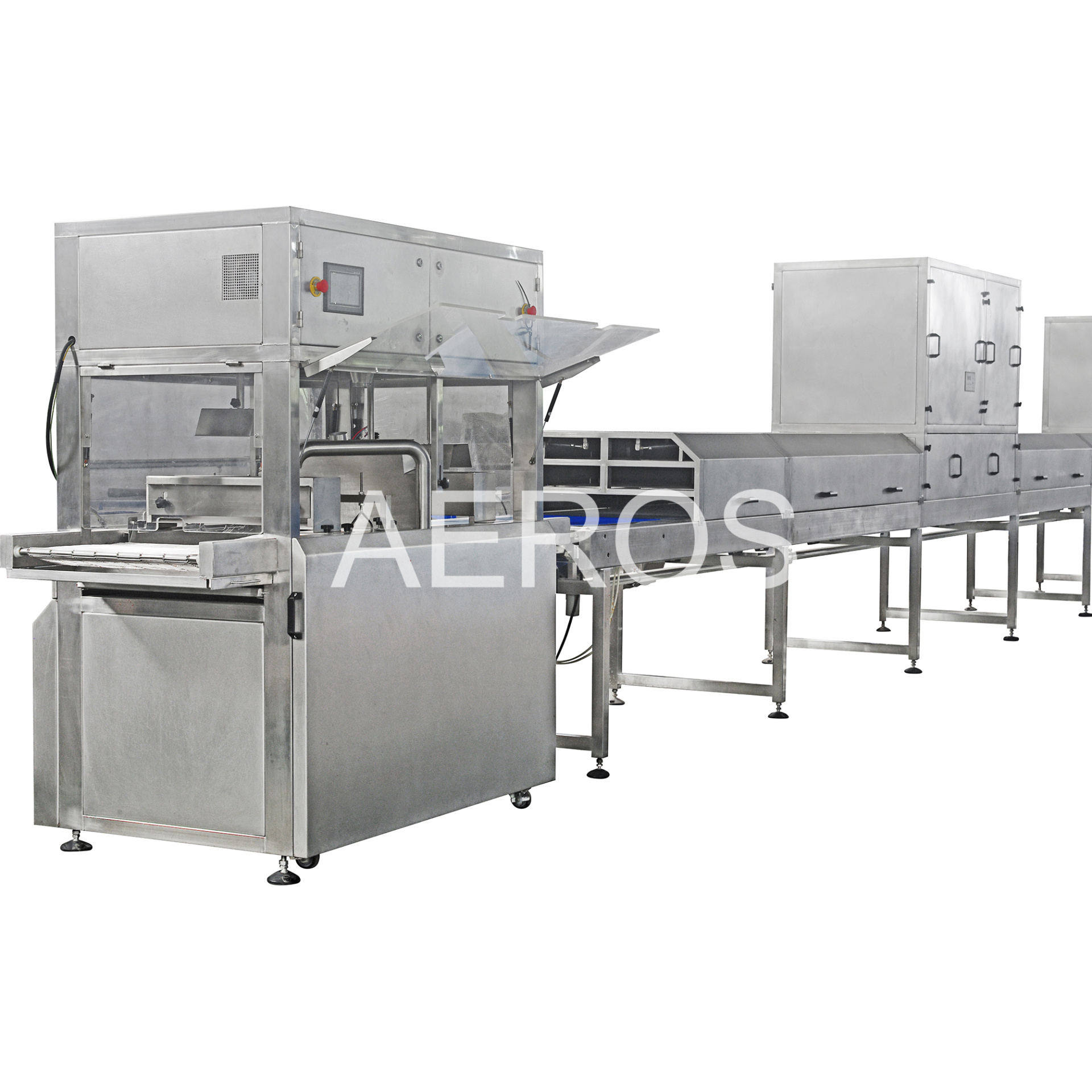
A sophisticated cake production system typically comprises several key components that work in harmony to produce high-quality cakes consistently. Understanding these components is essential for manufacturers looking to enhance their efficiency:
3.1 Mixing Equipment
The heart of cake production lies in the mixing process. Modern mixing equipment is designed to achieve optimal batter consistency. Here, we look at:
- **High-Shear Mixers**: These mixers emulsify and aerate the batter effectively, resulting in lighter cakes.
- **Batch vs. Continuous Mixers**: Knowledge of the differences can help manufacturers decide which is best for their production needs.
3.2 Baking Ovens
Baking ovens are crucial in determining the final texture and flavor of the cake. Innovations in oven technology include:
- **Convection Ovens**: They provide even heat distribution, ensuring consistent baking results.
- **Modular Ovens**: These can be adjusted based on the production scale, offering flexibility.
3.3 Cooling and Conditioning Systems
Once baked, cakes must be cooled efficiently to maintain their structure. This section explores:
- **Cooling Tunnels**: These systems rapidly lower the temperature of cakes, preventing over-drying and ensuring moisture retention.
- **Humidity Control**: Maintaining optimal humidity levels is crucial for cake quality.
3.4 Decorating and Packaging Equipment
Final touches are vital for consumer appeal. Here, we discuss:
- **Automated Decorating Machines**: These ensure uniform decoration and can handle intricate designs.
- **Packaging Systems**: Efficient packaging machinery is essential for extending shelf life and ease of transport.
4. Automation and Technology in Cake Production
As the industry pivots towards automation, the cake production sector has not been left behind. Advanced technologies are significantly enhancing efficiency:
4.1 Robotics in Cake Production
- **Robotic Arms**: Used for decorating and packaging, robotic systems reduce labor costs and increase speed.
- **Automated Quality Checks**: These systems use AI to monitor and maintain quality standards throughout the production process.
4.2 Smart Manufacturing Systems
- **IoT Integration**: Smart sensors collect data on production rates, equipment efficiency, and quality metrics, allowing for real-time adjustments.
- **Advanced Analytics**: Data-driven decision-making can optimize production schedules and reduce downtime.
5. Streamlining Production Lines for Maximum Output
A well-organized production line is essential for maximizing output. Here, we discuss:
5.1 Lean Manufacturing Principles
Implementing lean principles helps minimize waste while maximizing productivity. Key strategies include:
- **Value Stream Mapping**: Identifying bottlenecks and optimizing workflow.
- **Just-In-Time Production**: Reducing inventory costs by producing only what is needed.
5.2 Flexible Production Systems
Flexibility allows manufacturers to quickly adapt to changing market demands. This includes:
- **Modular Production Lines**: These can be reconfigured for different products without significant downtime.
- **Staff Training**: Multi-skilled staff can operate various machines and adapt to production changes seamlessly.
6. Quality Control in Cake Manufacturing
Quality control is an indispensable aspect of cake production. It ensures that consumers receive products that meet their expectations. Effective QC measures include:
6.1 Continuous Monitoring
Using technology for real-time monitoring of critical quality parameters, such as:
- **Batter Consistency and Density**: Ensures uniformity in the final product.
- **Temperature and Time Control**: Precise control during baking is essential to avoid over or under-baking.
6.2 Sensory Evaluation
While technology plays a significant role, human sensory evaluation remains important for quality assurance:
- **Taste Tests**: Regular taste testing ensures that flavor profiles remain consistent.
- **Consumer Feedback**: Gathering consumer insights can help adjust recipes and processes for better results.
7. Sustainability Practices in Food Manufacturing
As sustainability becomes a priority for consumers, manufacturers must adopt eco-friendly practices. This section explores:
7.1 Waste Reduction Strategies
Effective waste management practices can significantly impact profitability and sustainability:
- **Recycling and Reusing Ingredients**: Finding innovative ways to use leftover ingredients can minimize waste.
- **Energy Efficiency**: Investing in energy-efficient machinery can reduce operational costs and environmental impact.
7.2 Sustainable Sourcing
Manufacturers increasingly focus on sourcing ingredients responsibly. This includes:
- **Local Sourcing**: Reduces transportation emissions and supports local economies.
- **Organic Ingredients**: Meeting consumer demand for healthier, chemical-free products.
8. Case Studies and Success Stories
Real-world examples demonstrate how cake production systems have improved efficiency and profitability for various manufacturers.
8.1 Case Study: Global Cake Manufacturer
A leading global cake manufacturer adopted a fully automated production line, resulting in a 30% increase in output while reducing labor costs by 20%.
8.2 Case Study: Boutique Bakery
A small boutique bakery implemented a modular production system that allowed them to diversify their product line without extensive investment in new machinery, enhancing their market presence.
9. Frequently Asked Questions
9.1 What is a cake production system?
A cake production system encompasses the machinery and processes used to manufacture cakes efficiently, from mixing ingredients to packaging the final product.
9.2 How does automation benefit cake production?
Automation enhances speed, consistency, and quality while reducing labor costs and minimizing human error in production processes.
9.3 What are the key components of a cake production line?
Key components include mixing equipment, baking ovens, cooling systems, decorating machinery, and packaging solutions.
9.4 Why is quality control important in cake manufacturing?
Quality control ensures that each product meets specific standards for taste, texture, and appearance, which is vital for customer satisfaction and brand loyalty.
9.5 How can sustainability be integrated into cake production?
Sustainability can be integrated through waste reduction strategies, energy-efficient machinery, and sourcing ingredients responsibly.
10. Conclusion
In conclusion, cake production systems play a pivotal role in enhancing efficiency within the food manufacturing industry. By leveraging automation, advanced technologies, and sustainable practices, manufacturers can streamline their operations, maintain high quality, and meet the growing demands of consumers. As the industry evolves, those who adopt innovative production systems positioned to succeed will gain a competitive edge, ensuring their cakes not only delight consumers but also contribute to a more efficient and sustainable food manufacturing ecosystem.
Cake production system
Other News

Foshan Aeros Industrial Equipment Co., Ltd. (Sales Office)
Address: No.1 - 2 ,G/F, Block 1, Taohuishangpin, No.30 Shunan Road, Hecheng, Gao ming District, Foshan ,Guangdong Provice,PRC.
Zip Code: 528500
Telephone: 86-181 2352 1651
Fax: 86-757-88933063
Email:oscaryau@chinaaeros.com
wendyhuang@chinaaeros.com
Factory Foshan Aeros Industrial EquipmentCo.,Ltd (Factory)
Address: No.16 Heng Chang Road, He Cheng, Gaoming District, Foshan, Guangdong Province, PRC.
Telephone: 86-757-88933066
Fax: 86-757-88933063
HK Offce:Aeros(international)Co.,Ltd
Address: Rm 5,16/F.,Kwong Kin Trade Centre, 5 Kin Fat Street,Tuen Mum,N,T.,Hong Kong
Telephone: 852 2499 1823
Fax: 852 2499 1822
Whatsapp: 852 9616 0072
Add WeChat to learn more