
-
 About
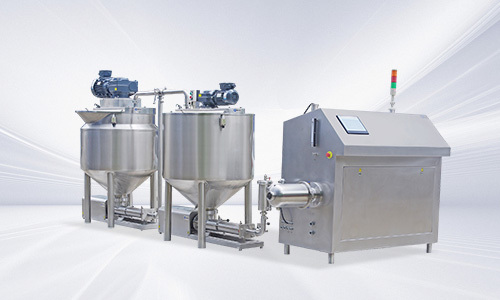
AboutAeros is the main supplier for continuous aeration system in China.With the technical know-how, experience & resources to meet individual customer requirement, whether this is for a single unit or a complete turn key project.
-
 Equipment
Yalus has strong mechanical development strength and excellent processing technology
-
 Application
Quality and service are the core competencies of Aeros, and all our services are designed to achieve a common goal: to maintain stable production and maintain a high level of productivity of the equipment during the service cycle.
-
 Training & Services
Quality and service are the core competencies of Aeros, and all our services are designed to achieve a common goal: to maintain stable production and maintain a high level of productivity of the equipment during the service cycle.
-
 Contact
Quality and service are the core competencies of Aeros, and all our services are designed to achieve a common goal: to maintain stable production and maintain a high level of productivity of the equipment during the service cycle.
-
 Download
Quality and service are the core competencies of Aeros, and all our services are designed to achieve a common goal: to maintain stable production and maintain a high level of productivity of the equipment during the service cycle.
Understanding the Importance of Dry Ingredient Mixers in Food Processing

2026/04/17
Dry ingredient mixers come in a variety of designs, including ribbon blenders, paddle mixers, and bin mixers. Each type has its unique features that cater to specific processing needs. For example, ribbon blenders are widely used in the food industry due to their efficient mixing capabilities. They consist of a helical ribbon that moves ingredients through the mixing chamber, ensuring thorough blending while minimizing energy consumption. Paddle mixers, on the other hand, employ a set of paddles to mix ingredients gently, making them ideal for fragile powders or granular materials.
One of the significant advantages of using a dry ingredient mixer is the efficiency it brings to the production process. Traditional mixing methods can be labor-intensive and time-consuming. In contrast, modern dry ingredient mixers are designed for rapid mixing, allowing food manufacturers to increase their production capacity without compromising quality. This efficiency is particularly beneficial in large-scale operations where consistent results are paramount.
Consistency is another critical factor in food processing. Variations in ingredient blending can lead to product inconsistencies, affecting taste and quality. Dry ingredient mixers are engineered to ensure uniform distribution of all components, which is essential for maintaining the integrity of food products. This uniformity not only enhances the overall quality of the final product but also helps in meeting regulatory standards and customer expectations.
Furthermore, the use of dry ingredient mixers contributes to better inventory management. By ensuring precise measurement and mixing of ingredients, manufacturers can reduce waste and optimize their raw material usage. This aspect is increasingly important as the food industry faces pressures related to sustainability and cost control.
In addition to their operational benefits, dry ingredient mixers are also designed with hygiene in mind. Many models are constructed with food-grade materials and are easy to clean, minimizing the risk of contamination. This focus on hygiene is critical in the food industry, where safety and quality standards must be adhered to rigorously.
In summary, dry ingredient mixers play a vital role in the food processing industry by enhancing efficiency, ensuring product consistency, and contributing to overall quality. As manufacturers continue to seek ways to streamline their operations and meet consumer demands, the importance of these mixers will undoubtedly grow, making them an indispensable asset in food production facilities.
Dry Ingredient Mixer
Other News


Foshan Aeros Industrial Equipment Co., Ltd. (Sales Office)
Address: No.1 - 2 ,G/F, Block 1, Taohuishangpin, No.30 Shunan Road, Hecheng, Gao ming District, Foshan ,Guangdong Provice,PRC.
Zip Code: 528500
Telephone: 86-181 2352 1651
Fax: 86-757-88933063
Email:oscaryau@chinaaeros.com
wendyhuang@chinaaeros.com
Factory Foshan Aeros Industrial EquipmentCo.,Ltd (Factory)
Address: No.16 Heng Chang Road, He Cheng, Gaoming District, Foshan, Guangdong Province, PRC.
Telephone: 86-757-88933066
Fax: 86-757-88933063
HK Offce:Aeros(international)Co.,Ltd
Address: Rm 5,16/F.,Kwong Kin Trade Centre, 5 Kin Fat Street,Tuen Mum,N,T.,Hong Kong
Telephone: 852 2499 1823
Fax: 852 2499 1822
Whatsapp: 852 9616 0072
Add WeChat to learn more