
-
 About
AboutAeros is the main supplier for continuous aeration system in China.With the technical know-how, experience & resources to meet individual customer requirement, whether this is for a single unit or a complete turn key project.
-
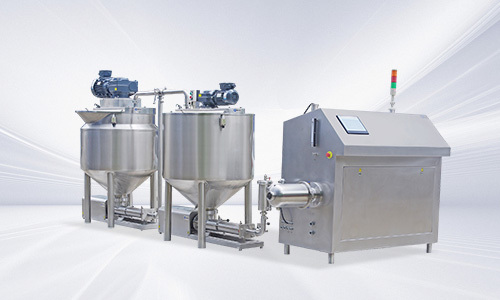 Equipment
Yalus has strong mechanical development strength and excellent processing technology
-
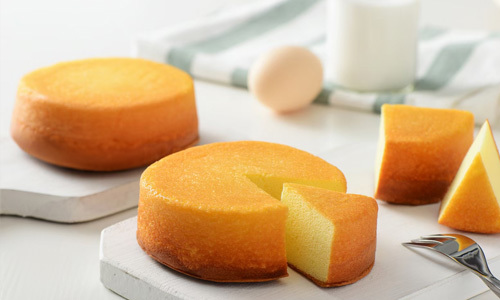 Application
Quality and service are the core competencies of Aeros, and all our services are designed to achieve a common goal: to maintain stable production and maintain a high level of productivity of the equipment during the service cycle.
-
 Training & Services
Quality and service are the core competencies of Aeros, and all our services are designed to achieve a common goal: to maintain stable production and maintain a high level of productivity of the equipment during the service cycle.
-
 Contact
Quality and service are the core competencies of Aeros, and all our services are designed to achieve a common goal: to maintain stable production and maintain a high level of productivity of the equipment during the service cycle.
-
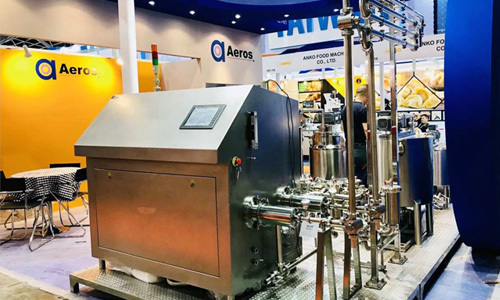 Download
Quality and service are the core competencies of Aeros, and all our services are designed to achieve a common goal: to maintain stable production and maintain a high level of productivity of the equipment during the service cycle.
Why Every Snack Food Manufacturer Needs a Cream Aeration Machine

2026/03/03
Why Every Snack Food Manufacturer Needs a Cream Aeration Machine
Introduction to Cream Aeration in Snack Food Production
In the bustling world of snack food manufacturing, achieving the perfect texture and flavor can set your products apart from the competition. One vital component that plays a critical role in this process is the **cream aeration machine**. These machines are designed to incorporate air into cream and other mixtures, resulting in a light, fluffy texture that enhances the overall eating experience. In this article, we will explore the significance of cream aeration machines, their benefits, and why they are indispensable for every snack food manufacturer.
Understanding Cream Aeration Machines
What is a Cream Aeration Machine?
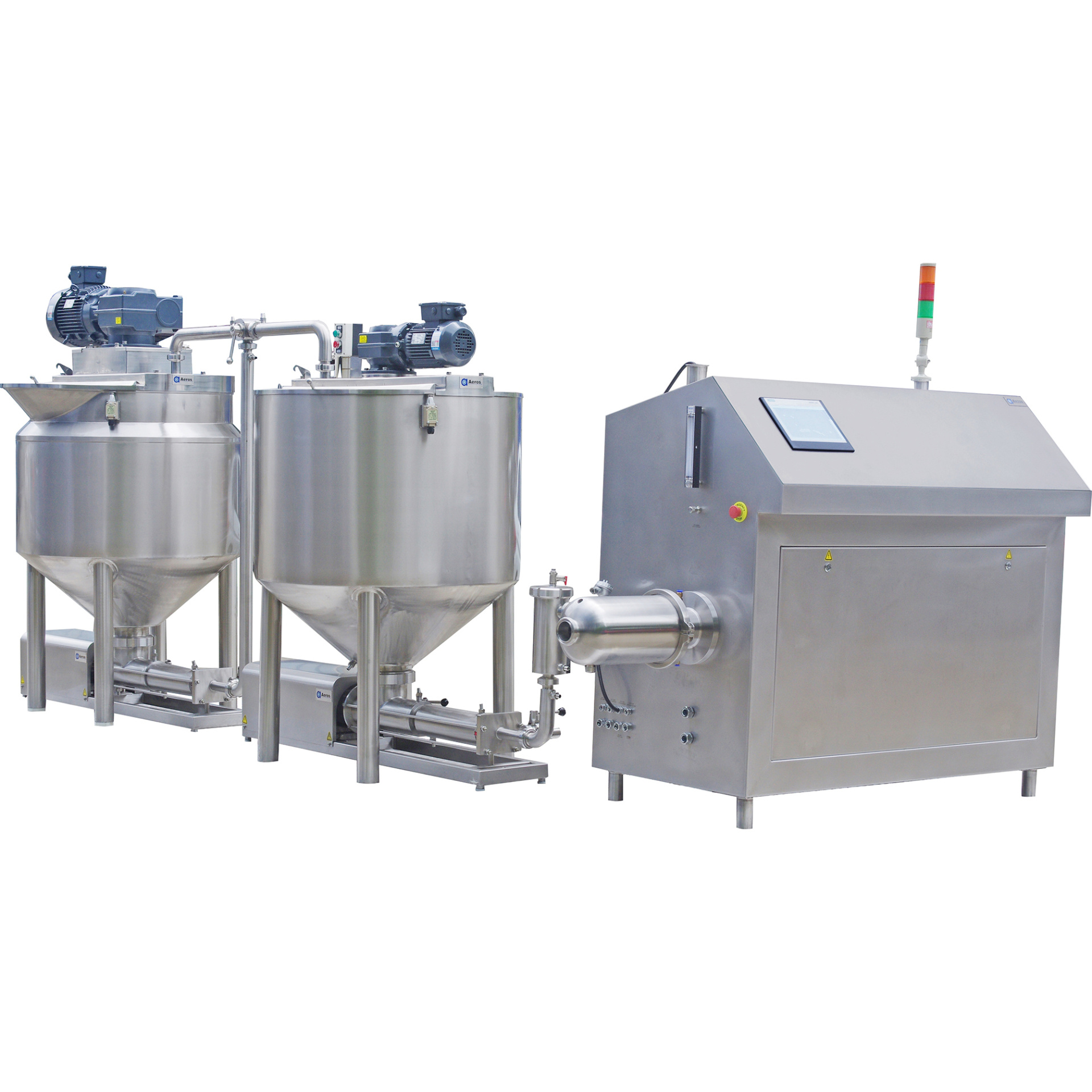
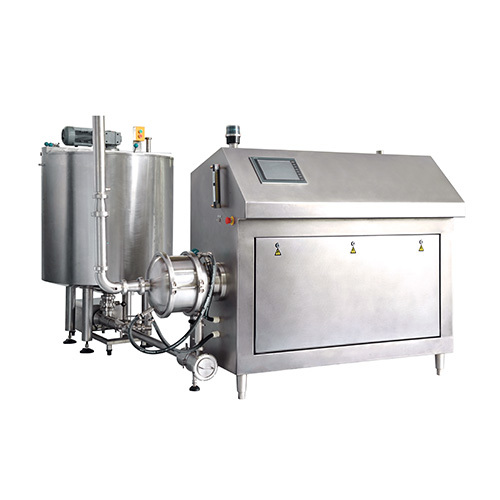
A cream aeration machine is designed to mix air into cream and other viscous products, creating a stable emulsion that increases volume and improves texture. By incorporating air, these machines help produce a lighter, creamier product that appeals to consumers' preferences for indulgent, flavorful snacks.
How Cream Aeration Works
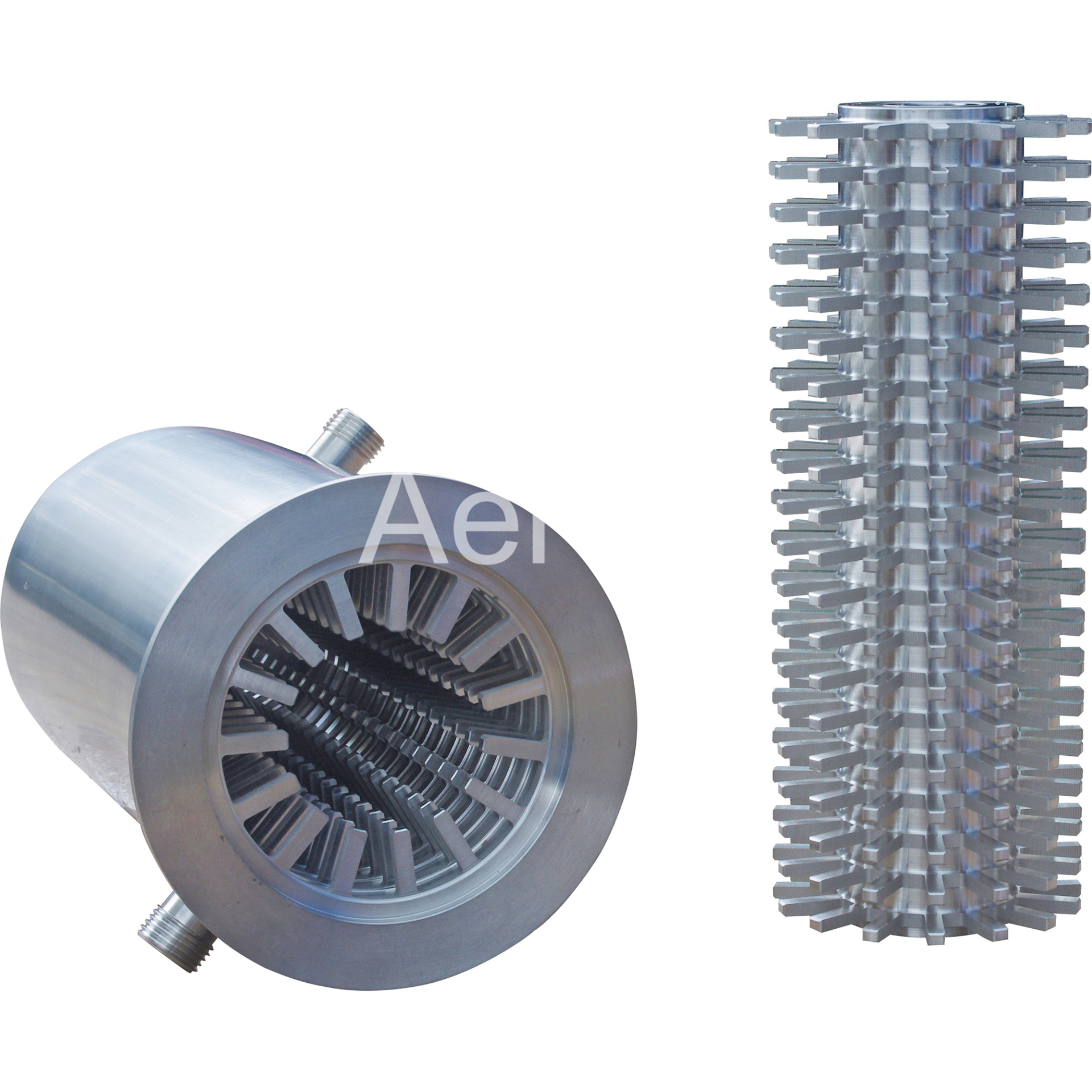
The aeration process involves whipping or blending cream while simultaneously incorporating air. This is achieved through specialized mixing blades and technologies that create shear forces and agitation, allowing the air to be evenly distributed throughout the mixture. The result is a consistent product with a light texture that holds its shape and flavor.
The Importance of Texture in Snack Foods
Consumer Preferences for Texture
The texture of snack foods, such as creams, dips, and fillings, is crucial in attracting and retaining customers. A product with an appealing texture not only enhances the sensory experience but also influences perceived quality. For snack food manufacturers, understanding the significance of texture is key to developing products that resonate with consumers.
How Aeration Enhances Texture
Aeration improves the mouthfeel of products by creating a light, airy structure. For example, whipped creams used in desserts, dips, and fillings should be fluffy and spreadable. Cream aeration machines ensure that the correct amount of air is incorporated to achieve the desired texture, setting your products apart from competitors who may not prioritize this crucial aspect.
Benefits of Using Cream Aeration Machines in Snack Food Manufacturing
1. Improved Quality and Consistency
Investing in a cream aeration machine guarantees high-quality products that meet industry standards. These machines provide precise control over mixing speeds and aeration levels, ensuring that each batch of cream has a consistent texture and taste. This consistency builds trust with consumers and helps establish your brand's reputation.
2. Increased Production Efficiency
Time is of the essence in food manufacturing. Cream aeration machines can significantly streamline production processes by reducing mixing times and minimizing manual labor. This efficiency allows manufacturers to scale up production while maintaining quality, ultimately improving profitability.
3. Versatility in Product Development
The flexibility of cream aeration machines enables manufacturers to experiment with various formulations. Whether developing new flavors, textures, or even healthier alternatives, these machines can adapt to the needs of your product line. This versatility is essential for staying competitive in the ever-evolving snack food market.
4. Enhanced Flavor Profile
Aeration not only affects texture but also enhances the flavor profile of snack foods. By incorporating air, flavors become more pronounced, resulting in a richer, more enjoyable taste experience. Consumers are more likely to return for products that deliver on both taste and texture—an essential consideration for any snack food manufacturer.
5. Cost-Effective Production
While the initial investment in a cream aeration machine may seem significant, the long-term benefits outweigh the costs. Enhanced production efficiency, improved product quality, and reduced waste lead to lower operational costs over time. Additionally, higher-quality products often justify premium pricing, further increasing profit margins.
Choosing the Right Cream Aeration Machine for Your Needs
Key Features to Consider
When selecting a cream aeration machine, consider the following features to ensure you choose the best option for your manufacturing process:
- Mixing Capacity: Assess the volume requirements of your production line to determine the appropriate size of the machine.
- Agitation Technology: Different machines utilize various mixing technologies, such as high-shear or paddle mixing, impacting the aeration quality.
- Ease of Cleaning: Efficient cleaning mechanisms are essential for maintaining hygiene standards in food production.
- Energy Efficiency: Energy-efficient machines can reduce operating costs and have a smaller environmental footprint.
- Customization Options: Look for machines that offer customizable settings to adapt to your specific product requirements.
Popular Brands and Models
Researching reputable brands and models can help you make an informed decision. Some popular cream aeration machine manufacturers include:
- Brand A: Known for its high-performance machines with customizable settings.
- Brand B: Offers energy-efficient options that cater to smaller production lines.
- Brand C: Renowned for its advanced mixing technology and durability.
Implementing Cream Aeration Machines in Your Production Line
Steps for Successful Integration
Integrating a cream aeration machine into your existing production line requires careful planning and execution. Follow these steps to ensure a smooth transition:
- Assessment: Evaluate your current production processes to identify areas for improvement.
- Training: Provide training for operators to ensure they understand how to use the new equipment effectively.
- Testing: Conduct trial runs to fine-tune settings and ensure product quality meets your standards.
- Feedback: Gather feedback from your production team to address any challenges during the integration process.
Case Studies: Success Stories of Snack Food Manufacturers
1. Company A's Transformation
Company A, a manufacturer of whipped toppings, faced challenges with product consistency and texture. After investing in a cream aeration machine, they improved their production efficiency by 30% and enhanced the texture of their products, leading to a significant increase in customer satisfaction and sales.
2. Company B's New Product Launch
Company B utilized a cream aeration machine to develop a new line of flavored cream dips. The aeration process not only improved the texture but also enhanced the flavor profile, resulting in a successful launch and a notable increase in market share.
Challenges in Cream Aeration Processes
Common Issues and Solutions
While cream aeration machines offer numerous advantages, challenges may arise. Here are some common issues and solutions:
- Inconsistent Texture: Monitor mixing times and aeration levels to ensure consistency across batches.
- Air Incorporation Problems: Adjust the mixing speed and blade design to achieve optimal aeration.
- Cleaning and Maintenance: Implement a regular cleaning schedule to prevent residue buildup that can affect product quality.
Future Trends in Snack Food Manufacturing
The Role of Technology
The snack food industry is continually evolving, and technology plays a significant role in shaping its future. The integration of automation, AI, and IoT (Internet of Things) will enhance production efficiency and quality control. Cream aeration machines will likely evolve alongside these advancements, offering even greater precision and versatility.
Consumer Trends and Preferences
As consumers increasingly prioritize quality and health, snack food manufacturers must adapt to new trends. The demand for lighter, healthier snacks is rising, making cream aeration machines even more essential for developing products that meet these changing preferences.
FAQs About Cream Aeration Machines
1. What types of products can benefit from cream aeration?
Cream aeration is beneficial for a variety of products, including whipped creams, dips, fillings, and desserts that require a light and airy texture.
2. How does aeration affect product shelf life?
Aeration can improve the shelf life of certain products by stabilizing emulsions and reducing the risk of separation, although it is essential to conduct specific stability tests.
3. Can I use a cream aeration machine for other types of mixtures?
Yes, many cream aeration machines can handle a variety of mixtures, including sauces, batters, and emulsions, depending on their design and capabilities.
4. What maintenance is required for cream aeration machines?
Regular maintenance includes cleaning the machine after each use, lubricating moving parts, and conducting periodic inspections to ensure optimal performance.
5. Are cream aeration machines energy-efficient?
Many modern cream aeration machines are designed with energy efficiency in mind, helping to reduce operational costs and environmental impact.
Conclusion
In today's competitive snack food manufacturing landscape, investing in a cream aeration machine is not merely an option but a necessity. These machines enhance texture, improve production efficiency, and elevate flavor profiles, ultimately contributing to higher product quality and consumer satisfaction. By adopting advanced aeration technologies, snack food manufacturers can stay ahead of the curve, meet evolving consumer demands, and achieve lasting success in the industry.
Cream aeration machine
Previous Page
Other News

Foshan Aeros Industrial Equipment Co., Ltd. (Sales Office)
Address: No.6,mingXi Road,Ming Chen Town,Gao ming District, Foshan ,Guangdong Provice,PRC.
Zip Code: 528500
Telephone: 86-181 2352 1651
Fax: 86-757-88933063
Email:oscaryau23@gmail.com
Factory Foshan Aeros Industrial EquipmentCo.,Ltd (Factory)
Address: No.16 Heng Chang Road, He Cheng, Gaoming District, Foshan, Guangdong Province, PRC.
Telephone: 86-757-88933066
Fax: 86-757-88933063
HK Offce:Aeros(international)Co.,Ltd
Address: Rm 5,16/F.,Kwong Kin Trade Centre, 5 Kin Fat Street,Tuen Mum,N,T.,Hong Kong
Telephone: 852 2499 1823
Fax: 852 2499 1822
Whatsapp: 852 9616 0072
Add WeChat to learn more